
Why You Can't Stop Scrolling (And Why You Feel So Drained)
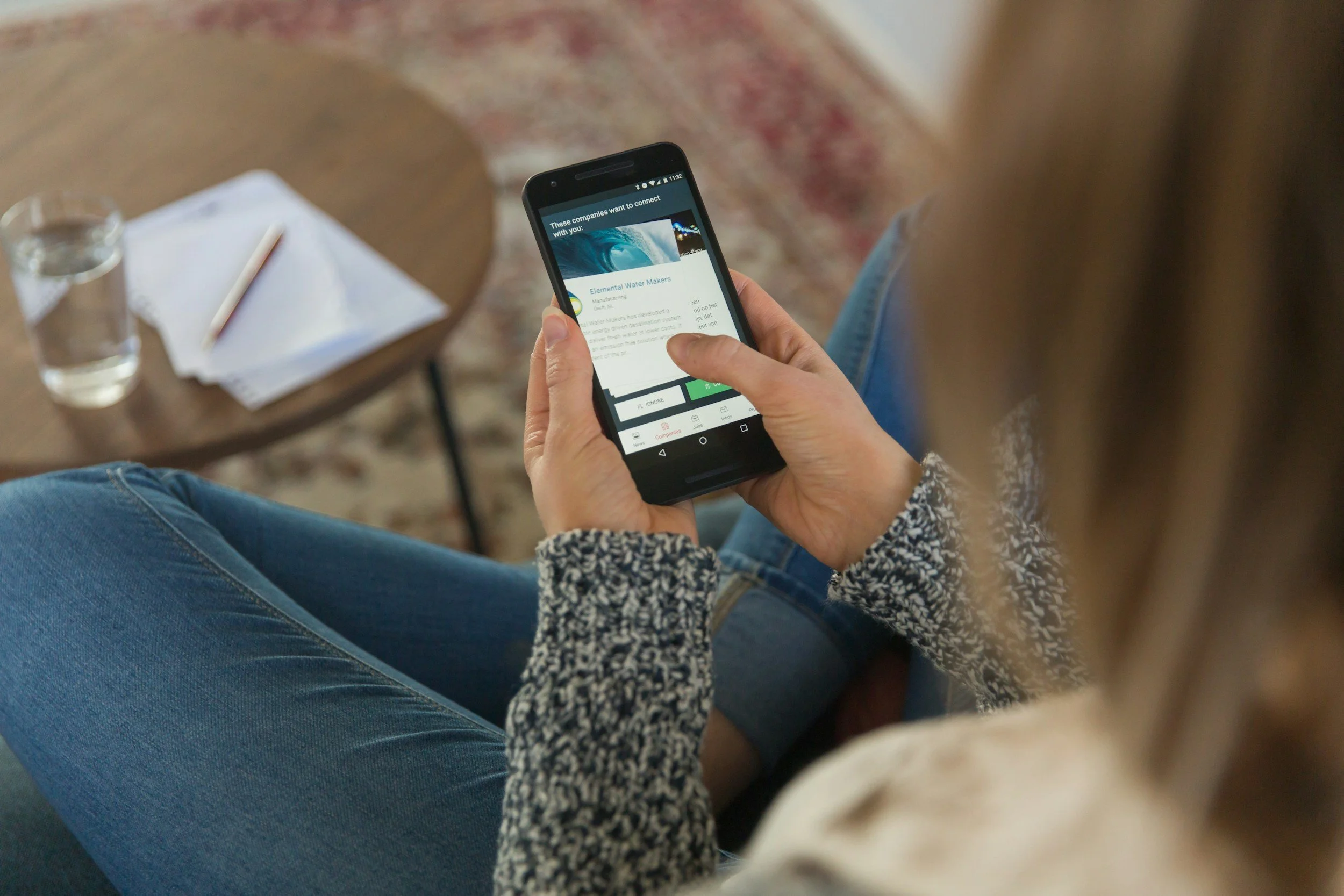
You know the feeling. You sit down to tackle your to-do list, maybe answer some emails or finally clean the kitchen. Instead, your phone somehow ends up in your hand. Just a quick check, you tell yourself.
Forty-five minutes later, you're still there—thumb swiping, brain buzzing with fragments of news, drama, and other people's lives. And somehow, you feel worse than when you started. More tired. Less motivated. Like you've been running a marathon while sitting perfectly still.
If you're nodding along, you're definitely not alone. I see this pattern constantly in my practice, and honestly, I've been there myself more times than I'd like to admit.
It's Not About Willpower (Really)
Here's what I want you to know first: this isn't about being lazy or lacking self-control. I know it feels that way when you're beating yourself up at 11 PM because you spent the day scrolling instead of doing literally anything else. But what's actually happening is way more interesting—and fixable—than a character flaw.
Your nervous system is trying to protect you. It's just doing a really lousy job of it.
What's Actually Going on in Your Brain
When we talk about "doomscrolling"—that compulsive need to keep refreshing bad news or scrolling through content that makes us feel awful—we're looking at your brain's attempt to manage overwhelm.
Think about it: we're constantly bombarded with information, stress, uncertainty, and pressure to have opinions about everything happening everywhere. It's exhausting. So your nervous system does what it thinks is helpful—it hits the brakes. Hard.
To understand this better, imagine your nervous system has a "window of tolerance"—a zone where you feel calm, present, and able to handle whatever comes your way. When you're in this sweet spot, challenges feel manageable and you can think clearly.
But when stress pushes you outside this window, your nervous system flips into survival mode. You can either go up into hyperarousal (think anxiety, panic, feeling wired and overwhelmed) or down into hypoarousal—which is where many of us end up when we're chronically stressed or emotionally overloaded.
Hypoarousal is that shutdown state that can feel like:
Everything requires superhuman effort
Your brain feels foggy or disconnected
You're tired but wired at the same time
Simple decisions feel impossible
You want to avoid everything and everyone
Feeling numb or emotionally flat
Sound familiar? This is your system's way of saying "We're overloaded. Time to shut down for repairs." It's not depression exactly, though it can feel similar. It's more like your nervous system putting you in airplane mode to conserve energy.
The Procrastination Trap
Here's where it gets tricky. When you're in this shutdown mode, your brain starts seeing everything as a threat—including perfectly normal stuff like laundry or returning a text. So you avoid it. And then you feel guilty about avoiding it. And then you avoid it more because now it feels even bigger and scarier.
Enter: your phone. Scrolling gives you something to do that doesn't require real engagement. It's like emotional junk food—fills the space but leaves you hungrier than before.
The cruel irony? The more you scroll to escape feeling overwhelmed, the more overwhelmed you become. It's like drinking salt water when you're thirsty.
Breaking the Cycle (Without Going Cold Turkey)
I'm not going to tell you to delete all your apps and go live in the woods (though if that sounds appealing, we should probably talk). Instead, let's start small and realistic.
Start by getting curious, not critical. Next time you notice yourself reaching for your phone, pause for just a second. Not to stop yourself, just to notice. What were you feeling right before? Bored? Anxious? Overwhelmed? Just... bleh?
Try the 5-4-3-2-1 grounding technique. Name five things you can see, four you can touch, three you can hear, two you can smell, and one you can taste. It sounds simple because it is. These techniques help bring you back into your window of tolerance—that calm, capable zone where things feel manageable again.
Pick the smallest possible next step. Instead of "clean the whole house," try "put one dish in the dishwasher." Instead of "get my life together," try "drink a glass of water." Small wins tell your brain that taking action is safe.
Replace scrolling with something equally mindless but more nourishing. Stretch while watching TV. Color. Play with a pet. Stare out the window. Give yourself permission to rest without the side effects.
You're Not Broken
I work with incredibly capable, smart, caring people who are stuck in this exact pattern. They come in thinking they're lazy or unmotivated, but what I see is someone whose system is overwhelmed and trying its best to cope.
The goal isn't to become a productivity machine or never feel stuck again. It's to understand what's happening in your body and brain so you can gently guide yourself back into your window of tolerance—that place where you feel calm, capable, and like yourself again. Sometimes that means learning to recognize when you're sliding into shutdown mode before you're completely stuck.
Because here's the thing: shame never motivated anyone to do anything sustainable. Compassion, on the other hand? That's where the real changes happen.
If you're tired of feeling stuck in the scroll, you don't have to figure this out alone. Sometimes we need help understanding our patterns and learning new ways to take care of ourselves.
You deserve support. You deserve to feel motivated and engaged with your life again. And you definitely deserve better than the endless scroll.
Ready to break free from the patterns that keep you stuck? Let's work together to help you reconnect with your motivation and find healthy ways to manage overwhelm.
